
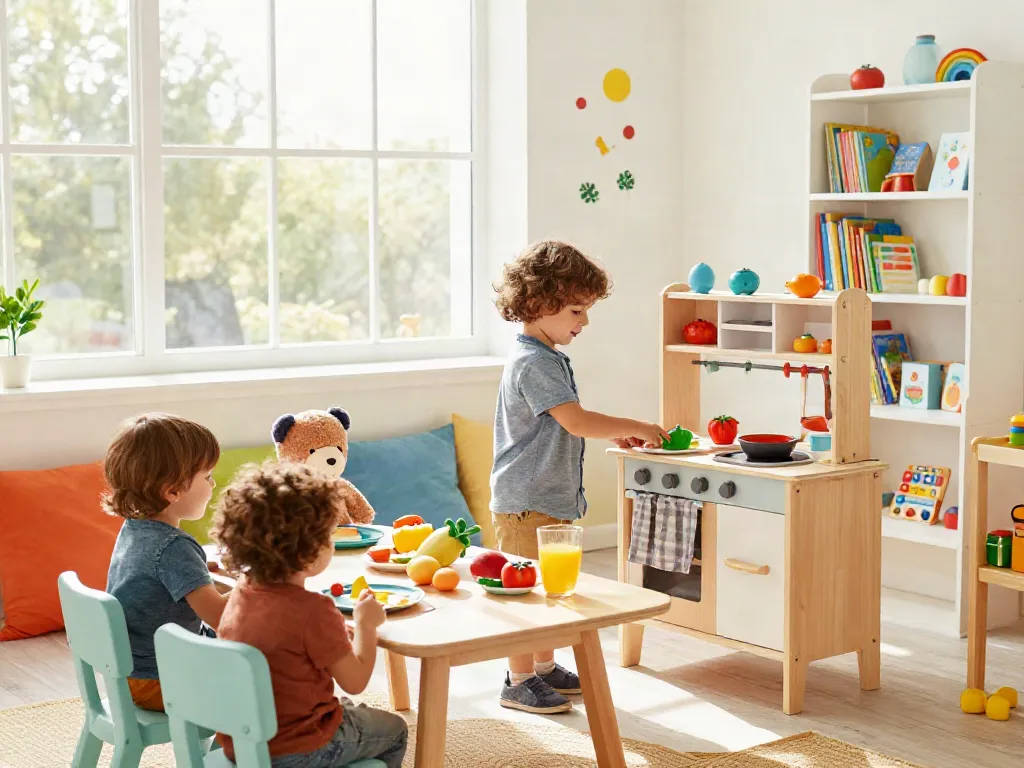
Understanding the Benefits of a Play Kitchen for Child Development
Play kitchens are more than just toys; they serve as a vital tool in early childhood development. Engaging with a play kitchen offers children an exciting avenue to explore creativity, develop practical skills, and enhance social interactions. This article explores the multifaceted benefits of play kitchens, making them a worthwhile investment for parents eager to enrich their child's formative experiences.
How Play Kitchens Enhance Imaginative Play
A play kitchen ignites a child's imagination by providing a simulated environment for role-playing. Children can assume different roles, from chefs to restaurant owners, allowing them to act out scenarios that reflect real-life situations. This imaginative play not only entertains but also cultivates cognitive skills as children narrate their stories and create dialogues, enhancing their language abilities and narrative thinking.
The Role of Social Skills Development in Group Play
When several children gather around a play kitchen, collaboration and negotiation come into play. They learn to share resources, take turns, and resolve conflicts, all of which are critical components of social development. Through these interactions, children develop empathy and teamwork skills, understanding the importance of cooperation while enjoying the fun of collective play. The act of cooking together can also encourage communication skills as they discuss what they are "cooking" or decide on roles.
Building Fine Motor Skills through Pretend Cooking
Utilising small utensils and kitchen items helps in developing fine motor skills. As children manipulate toy pots, pans, and food items, they practice hand-eye coordination and dexterity. Tasks like stirring, pouring, and chopping (with child-safe tools) are excellent ways to enhance these skills. Over time, these activities contribute to better handwriting and improve overall control of fine movements, skills that are essential in later academic tasks.
Choosing the Right Play Kitchen: Features to Consider
Not all play kitchens are created equal, and selecting the right one can significantly impact your child's play experience. Options vary widely in terms of size, functionality, and features. Here are some considerations to guide your choice.
Key Features That Encourage Learning and Engagement
Features such as realistic appliances, storage, and accessories can greatly enhance the play experience. Look for kitchens that include interactive elements like lights, sounds, and various kitchen tools. Additionally, modular designs allow children to engage in more complex scenarios, fostering their ability to problem-solve and think critically. The more features a play kitchen has, the more varied the imaginative play it can inspire.
Material Choices: Wooden vs Plastic Play Kitchens
When deciding between wooden and plastic play kitchens, consider durability and aesthetic appeal. Wooden kitchens typically offer a classic and sturdy design, often appealing to both children and parents alike. They can withstand rough play better in the long run and are often seen as eco-friendlier options. In contrast, plastic kitchens are usually lighter, easier to clean, and may come in vibrant, fun colours. The choice may ultimately depend on your child's preferences and your home environment.
Age Appropriateness: Finding the Best Fit for Your Child
It's essential to choose a play kitchen that aligns with your child's age and developmental stage. Many manufacturers provide age recommendations to help guide parents. For younger children, a simple play kitchen with fewer accessories may be more suitable to avoid overwhelming them. As children grow and their skills develop, consider upgrading to more complex sets that offer additional features and challenges.
Common Mistakes Parents Make When Buying Play Kitchens
Choosing the right play kitchen can be tricky, and parents often make frequent mistakes that lead to disappointment. Being aware of these common pitfalls can help you make a more informed decision.
Overlooking Safety Standards and Certifications
When purchasing a play kitchen, always check for safety standards and certifications to ensure your child's safety. These certifications indicate that the playset was tested for harmful chemicals and has passed quality tests. Particularly for younger children, safety should be your foremost priority, so consider products that are compliant with ASTM or EN71 standards.
Ignoring the Importance of Expandable Accessories
Accessories play a crucial role in enhancing the play experience. Parents often overlook the importance of buying additional items such as food sets, utensils, and cooking tools that complement the kitchen. These extras not only make for a more engaging play environment but also provide additional educational opportunities through themed play scenarios.
Failing to Consider Space and Setup Needs
The size of the play kitchen relative to your available space is a common consideration that’s sometimes neglected. Before purchasing, measure the intended play area to ensure the kitchen will fit comfortably. A cramped environment can limit play possibilities and may lead to frustration. Additionally, consider the assembly requirements; overly complicated setups can deter kids from using the kitchen at all.
Creative Ways to Enhance Your Child's Play Kitchen Experience
To maximise the educational benefits of a play kitchen, integrate creative approaches that deepen your child's engagement with cooking and imaginative play.
Incorporating Educational Themes and Cooking Skills
Utilise the play kitchen as a platform for teaching basic cooking skills and nutrition. Introduce themed cooking days, such as "pizza day" or "baking day," where children can explore different ingredients and learn about their nutritional values. This not only fosters an interest in real cooking but reinforces healthy eating habits from an early age.
DIY Accessories and Customisation Ideas
Encourage creativity by allowing your child to create their own kitchen accessories. Simple DIY projects, such as making felt food or decorating utensils, can add a personal touch to their playset. This also serves as a fantastic bonding activity, encouraging creativity and fine motor skills as they craft unique items for their kitchen.
Organising Playdates Around Cooking Adventures
Transform your play kitchen into a social hub by hosting cooking playdates. Invite friends over for a themed cooking event where children can collaborate, share ideas, and learn from one another. This not only enhances their social skills but also introduces them to the joys of teamwork and sharing responsibilities while cooking.
Future Trends in Play Kitchens: What's Coming in 2026
The world of play kitchens is evolving rapidly. As technology and environmental concerns shape toy design, several trends are emerging for the future.
Eco-Friendly Materials and Sustainable Designs
With increasing awareness of environmental issues, there is a noticeable shift towards eco-friendly materials in toy production. Many brands are now focusing on sustainable wood sources and non-toxic paints that are safe for children. By 2026, we can expect a wider variety of play kitchens made from recycled and sustainably harvested materials, appealing to environmentally conscious consumers.
Integration of Technology in Modern Play Kitchens
As technology advances, expect to see play kitchens that incorporate digital elements. Future models may include interactive screens that guide children through recipes or incorporate augmented reality features, allowing them to "virtually" cook alongside their favourite characters. This integration can make the play experience more dynamic and educational, providing a modern twist to traditional cooking play.
Emerging Concepts: Beyond Traditional Play Kitchens
Innovative concepts are likely to go beyond the conventional kitchen setup. Expect to see themed kitchens that integrate multicultural cooking experiences, offering children the chance to explore different cuisines from around the world. This not only broadens their culinary horizons but also promotes cultural awareness and appreciation from a young age.
What age should a kid get a play kitchen?
Research indicates that many children benefit from having a play kitchen around the age of 2 to 6 years, as this is a prime time for imaginative play and social interaction.
How much does a play kitchen cost?
Prices for play kitchens can range significantly based on size, materials, and brand, typically starting from about £50 and going up to several hundred pounds for high-end models.
Is it worth getting a play kitchen?
Absolutely. A play kitchen is not only a source of fun but also a vital educational tool that enhances various developmental skills.
Which play kitchen is the best?
The best play kitchen often depends on individual preferences and space considerations. However, popular choices include those from brands like KidKraft and Step2, known for their durability and functionality.
What accessories enhance a play kitchen experience?
Accessories such as food items, pots, pans, utensils, and even themed decor can significantly enrich the play kitchen experience, making it more immersive and fun.